
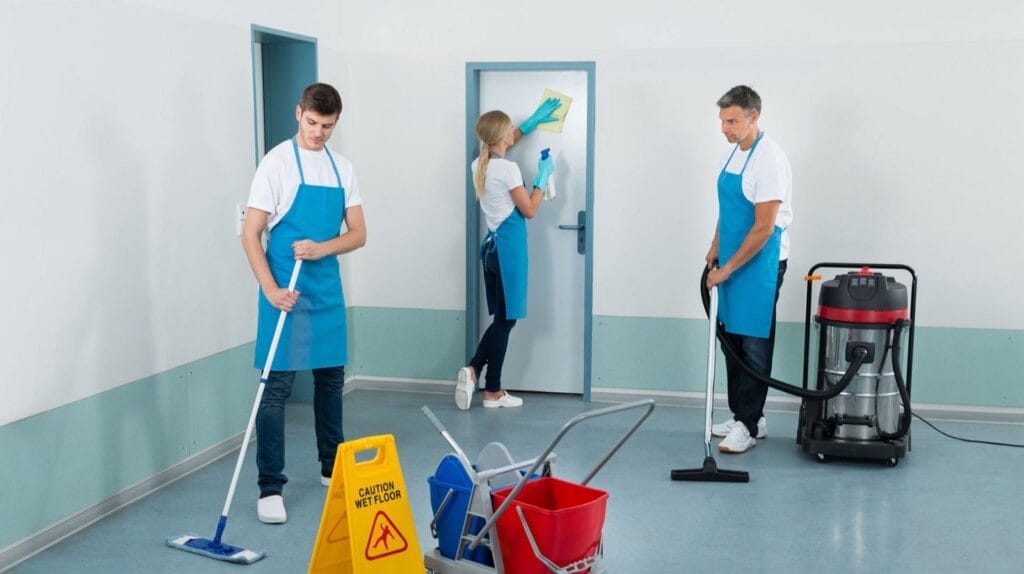
Cleaning is not just about removing visible dirt; it is a structured process that ensures hygiene, safety, and efficiency. Whether in homes, offices, or commercial environments, following a systematic cleaning process helps achieve consistent and high-quality results. The 7 steps in the cleaning process provide a clear framework that professionals use to ensure every area is properly cleaned and maintained.
Preparation and Inspection
The first step in any cleaning process is preparation and inspection. Before starting, it is important to assess the area that needs cleaning. This includes identifying high-traffic zones, heavily soiled areas, and any special requirements. Gathering the necessary tools, equipment, and cleaning products is also part of this step. Proper preparation ensures that the cleaning process runs smoothly and efficiently without interruptions, and many Best Cleaning Services in Dubai follow this approach to deliver consistent and high-quality results.
Removing Clutter and Dry Cleaning
Once the preparation is complete, the next step is to remove clutter and perform dry cleaning tasks. This includes picking up items, organizing spaces, and removing loose dirt and dust through sweeping, dusting, or vacuuming. Dry cleaning helps eliminate surface debris, making it easier to focus on deeper cleaning tasks later. It also prevents dirt from spreading when wet cleaning begins.
Pre-Treatment of Stains and Surfaces
Pre-treatment involves applying appropriate cleaning solutions to stains, grease, or heavily soiled areas before the main cleaning process. This step allows cleaning agents to break down dirt and grime, making them easier to remove. For example, kitchen surfaces with grease or carpets with stains may require special pre-treatment products. Allowing time for these solutions to work improves overall cleaning effectiveness.
Main Cleaning Process
The main cleaning step involves thorough cleaning of all surfaces using the appropriate methods and products. This includes mopping floors, wiping surfaces, scrubbing tiles, and cleaning furniture. During this stage, both mechanical action (such as scrubbing) and chemical action (cleaning agents) work together to remove dirt and bacteria. This step is the core of the cleaning process and ensures visible cleanliness.
Rinsing and Removing Residue
After cleaning, it is important to rinse surfaces and remove any remaining cleaning residue. Leftover chemicals can attract dirt or cause damage over time. Rinsing ensures that surfaces are free from soap, detergent, or cleaning solution residues. This step is especially important for areas like kitchens and bathrooms where hygiene is critical.
Disinfection and Sanitization
Disinfection is a crucial step in the cleaning process, particularly in environments where hygiene is a top priority. This step involves applying disinfectants to kill bacteria, viruses, and other harmful microorganisms. High-touch surfaces such as door handles, switches, and countertops should be given special attention. Proper disinfection helps create a safer and healthier environment.
Final Inspection and Finishing Touches
The final step is inspection and finishing. After cleaning and disinfecting, the area should be checked to ensure that all tasks have been completed to a high standard. Any missed spots should be addressed, and finishing touches like arranging items, polishing surfaces, and ensuring proper ventilation should be done. This step ensures that the space is not only clean but also organized and presentable.
Importance of Following a Structured Cleaning Process
Following these seven steps ensures consistency, efficiency, and thoroughness in cleaning. A structured approach minimizes the chances of missing important areas and improves overall results. It also helps in maintaining hygiene standards, especially in professional settings where cleanliness is critical.
Benefits of the Cleaning Process
The 7-step cleaning process offers several benefits, including improved cleanliness, better time management, and enhanced safety. By following a systematic approach, cleaning becomes more organized and effective. It also reduces the risk of cross-contamination and ensures that all areas are properly sanitized.
Conclusion: Achieving Effective Cleaning Results
The 7 steps in the cleaning process provide a comprehensive guide to achieving a clean and hygienic environment. From preparation to final inspection, each step plays an important role in ensuring quality results. By adopting this structured approach, individuals and businesses can maintain high standards of cleanliness, improve efficiency, and create a healthier and more comfortable space, and with KKA Cleaning Services, these standards are delivered with professionalism and reliability.