
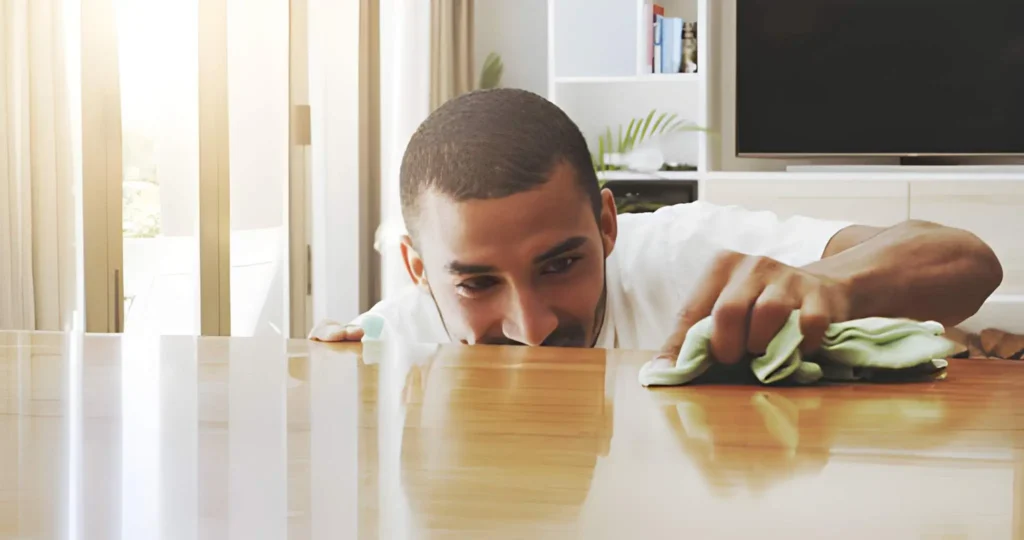
Home renovation or painting can transform a living space, but it often leaves behind more than just a fresh look. Fine dust, paint particles, chemical residues, and construction debris can settle deep into furniture fabrics, even if surfaces appear clean. This is why KKA furniture cleaning after renovation or painting is not just recommended—it’s often necessary.
How Renovation Dust Affects Furniture
Renovation and painting work release microscopic dust particles into the air. These particles settle into sofas, chairs, mattresses, curtains, and cushions, embedding themselves deep within fabric fibers and padding. Regular vacuuming removes only surface dust and cannot fully eliminate fine construction debris trapped inside upholstery.
Over time, this dust can damage fabric, cause discoloration, and reduce furniture lifespan.
Paint and Chemical Residue Concerns
Paint fumes and chemical vapors from renovation materials can cling to furniture fabrics. These residues may cause lingering odors and contribute to poor indoor air quality. In homes with air conditioning, these particles can circulate repeatedly, making furniture a hidden source of indoor pollutants.
Professional furniture cleaning helps neutralize odors and remove chemical residue safely.
Impact on Indoor Air Quality
After renovation or painting, indoor air quality often declines due to dust, VOCs, and airborne particles. Furniture acts like a filter, trapping these contaminants and releasing them back into the air when used. Cleaning furniture helps restore healthy air circulation and creates a cleaner, more breathable indoor environment.
This is especially important in Dubai homes, where dust already accumulates quickly.
Protecting Furniture Fabrics and Padding
Renovation dust is abrasive and can weaken upholstery fibers over time. If left untreated, it may cause fabric thinning, dull colors, and premature wear. Professional cleaning removes these particles before they cause long-term damage, helping preserve the appearance and structure of furniture.
Cleaning also helps maintain cushion shape and comfort after heavy dust exposure.
Health and Hygiene Considerations
Post-renovation dust can contain allergens, bacteria, and fine particles that may trigger respiratory discomfort or allergies. Furniture cleaning supports a healthier home by removing these contaminants, making the space safer and more comfortable for everyday living.
This is particularly beneficial for family households and individuals sensitive to dust or strong odors.
When Should Furniture Be Cleaned After Renovation?
Furniture cleaning should ideally be scheduled once renovation or painting work is fully completed and all visible dust has settled. Cleaning too early may result in recontamination, while delaying it allows dust to embed deeper into fabrics.
Professional cleaners can assess fabric condition and recommend the right timing and cleaning method.
Final Thoughts
Furniture cleaning after renovation or painting is an essential step in completing the renovation process. It removes hidden dust, eliminates odors, improves indoor air quality, and protects furniture from long-term damage.
By investing in professional furniture cleaning, homeowners can fully enjoy their newly renovated space with clean, fresh, and comfortable furniture that truly matches the upgraded home environment.