
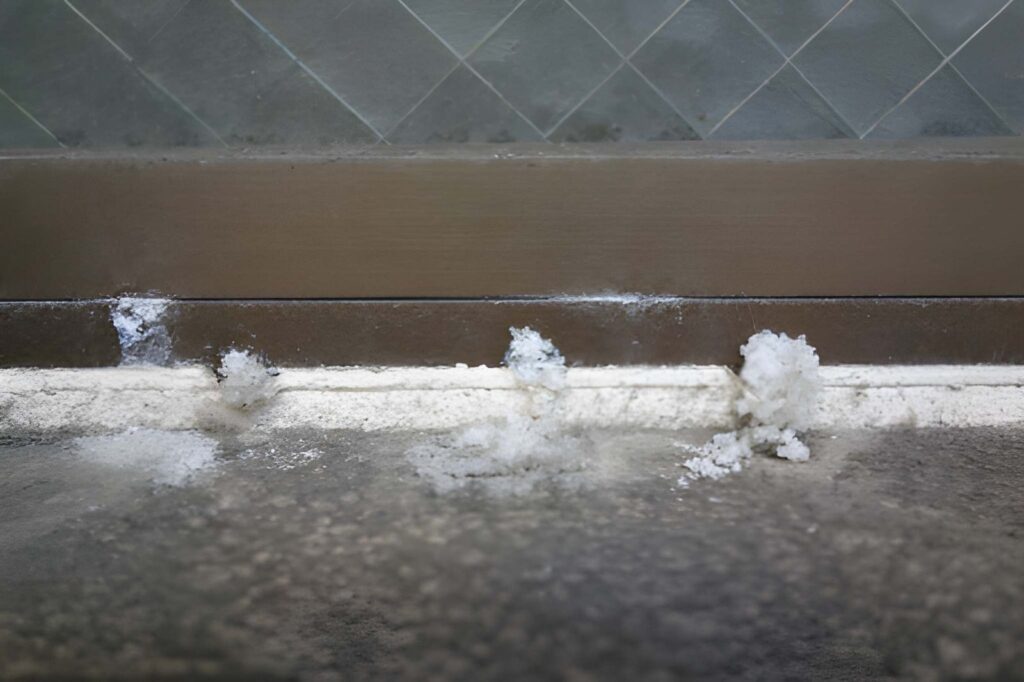
Living in Dubai offers stunning waterfront views, luxurious coastal communities, and year-round sunshine. But behind the beauty of seaside living lies a hidden issue many homeowners underestimate — salt air damage.
Homes located near the coastline, including areas such as Palm Jumeirah, Dubai Marina, JBR, and Jumeirah, are constantly exposed to airborne salt particles carried by humid sea winds. Over time, these particles settle on surfaces throughout the property and slowly cause corrosion, staining, deterioration, and moisture-related damage.
Combined with Dubai’s intense heat and humidity, salt air can significantly reduce the lifespan of furniture, fixtures, paint, flooring, electronics, and air conditioning systems if preventive maintenance is ignored.
At KKA Cleaning Services, we regularly help Dubai homeowners manage the effects of coastal humidity, salt buildup, and deep surface contamination through professional cleaning and preventive maintenance solutions designed for waterfront properties.
What Is Salt Air and Why Is It Harmful?
Salt air contains microscopic salt particles released into the atmosphere by ocean waves and coastal winds. These particles travel through the air and settle on nearby buildings, balconies, windows, and interior surfaces.
Unlike ordinary dust, salt attracts moisture from the environment. Dubai’s humid climate keeps these particles active, creating the perfect conditions for corrosion, mold growth, and material breakdown.
Even properties that appear clean may still have invisible salt residue slowly damaging surfaces beneath the surface.
Why Salt Damage Happens Faster in Dubai
Dubai’s environment creates the ideal conditions for accelerated salt-related deterioration.
Several factors contribute to the problem:
- Constant coastal humidity
- High summer temperatures
- Heavy air conditioning usage
- Fine desert dust mixing with salt particles
- Strong sea winds in waterfront communities
- Limited natural ventilation in modern apartments
Together, these conditions create continuous exposure to moisture and salt buildup inside and outside the home.
Common Signs of Salt Air Damage in Dubai Homes
Salt damage usually develops gradually. Many homeowners notice the symptoms without realizing salt exposure is the root cause.
White Residue on Glass and Metal
One of the earliest signs is a cloudy or chalky film appearing on:
- Windows
- Balcony railings
- Shower glass
- Mirrors
- Stainless steel fixtures
This residue hardens over time and becomes increasingly difficult to remove.
Rust and Corrosion
Salt accelerates oxidation on metal surfaces, causing:
- Rust stains
- Corroded hinges
- Damaged handles
- Deteriorating outdoor furniture
- Pitted stainless steel
- Balcony railing discoloration
Even premium metal finishes can corrode if exposed to salt for long periods without cleaning.
Peeling Paint and Bubbling Walls
Salt weakens protective coatings and paint adhesion, leading to:
- Bubbling paint
- Flaking wall finishes
- Surface discoloration
- Cracking around windows and balconies
Exterior walls facing the sea are often affected first.
Mold and Damp Odors
Salt-heavy humidity increases indoor moisture levels, especially in poorly ventilated apartments.
This creates ideal conditions for:
- Mold growth behind furniture
- Mildew in bathrooms
- Damp wardrobes
- Musty AC odors
- Black spots near windows
Vacant apartments and properties with limited airflow are especially vulnerable.
Sticky Floors and Constant Dust
Salt particles combine with moisture and dust, creating:
- Sticky tile surfaces
- Faster dust buildup
- Dirty grout lines
- Hazy countertops
- Persistent balcony grime
Many homeowners notice they need to clean more frequently in coastal areas compared to inland communities.
Surfaces Most Affected by Salt Air
Glass Windows and Balcony Doors
Glass surfaces are highly exposed to salty moisture and airborne particles.
Over time, salt buildup can:
- Leave permanent stains
- Reduce glass clarity
- Cause etching
- Damage window frames
Properties with large sea-facing windows typically require more frequent cleaning and maintenance.
Protection Tips
- Clean glass regularly with fresh water
- Dry surfaces thoroughly after washing
- Avoid allowing salt deposits to harden
- Schedule periodic deep cleaning
Metal Fixtures and Hardware
Salt air aggressively attacks exposed metal surfaces, including:
- Door handles
- Bathroom fittings
- Kitchen hardware
- Curtain rods
- Outdoor furniture
- Balcony railings
Without maintenance, corrosion spreads quickly and weakens the material.
Protection Tips
- Wipe metal surfaces weekly
- Apply protective coatings when possible
- Keep fixtures dry after cleaning
- Use corrosion-resistant materials for replacements
Air Conditioning Systems
Dubai homes rely heavily on air conditioning throughout the year, making AC systems particularly vulnerable to salt exposure.
Salt buildup inside AC components can cause:
- Reduced cooling efficiency
- Corroded coils
- Water leakage
- Mold contamination
- Higher electricity bills
Poorly maintained AC systems also increase indoor humidity, worsening overall moisture problems.
Protection Tips
- Clean AC filters regularly
- Schedule professional AC servicing
- Inspect outdoor condenser units
- Maintain proper indoor airflow
Marble, Stone, and Tile Flooring
Salt moisture gradually penetrates porous materials such as:
- Marble floors
- Natural stone counters
- Grout lines
- Balcony tiles
Over time, surfaces may become dull, stained, or weakened.
Protection Tips
- Use pH-neutral cleaning products
- Seal porous surfaces periodically
- Dry floors completely after mopping
- Avoid harsh acidic cleaners
Wooden Furniture and Cabinets
Humidity caused by salty air can seriously affect wood surfaces.
Common issues include:
- Swelling
- Warping
- Veneer peeling
- Mold growth
- Wood discoloration
Poor ventilation often accelerates the damage.
Protection Tips
- Use dehumidifiers when needed
- Improve air circulation indoors
- Keep furniture away from damp walls
- Avoid excess indoor moisture
How Humidity Makes Salt Damage Worse
Humidity plays a major role in activating salt particles.
When indoor humidity levels rise:
- Salt absorbs moisture faster
- Mold spreads more easily
- Metal corrosion accelerates
- Paint deteriorates quicker
- Odors become trapped indoors
This is why coastal Dubai homes often experience maintenance issues even when surfaces appear visually clean.
Keeping humidity under control is one of the most important steps in preventing salt-related damage.
Best Cleaning Practices for Coastal Dubai Homes
Increase Cleaning Frequency
Salt buildup is continuous in coastal areas, which means regular cleaning is essential rather than optional.
Recommended cleaning frequency:
- Windows and glass: weekly
- Balcony cleaning: weekly
- Deep cleaning: monthly
- AC maintenance: every few months
- Bathroom sanitization: frequent
Consistent maintenance prevents salt from settling deeply into surfaces.
Use Proper Cleaning Methods
The wrong cleaning techniques can worsen damage instead of preventing it.
Best practices include:
- Using microfiber cloths
- Rinsing surfaces thoroughly
- Avoiding abrasive scrubbing
- Drying surfaces after cleaning
- Using surface-safe cleaning products
Gentle but consistent cleaning works best for salt-prone environments.
Improve Indoor Ventilation
Airflow helps reduce trapped humidity and moisture accumulation.
Simple ways to improve ventilation:
- Run bathroom exhaust fans
- Keep AC vents unobstructed
- Open windows during lower humidity periods
- Use air purifiers or dehumidifiers
- Allow sunlight into rooms when possible
Protect High-Risk Areas
Preventive protection can dramatically extend surface lifespan.
Important measures include:
- Sealing stone surfaces
- Applying anti-rust coatings
- Using moisture-resistant materials
- Repainting exposed surfaces when needed
- Inspecting balconies regularly
Long-Term Solutions for Salt Air Protection
Choose Coastal-Friendly Materials
When upgrading or renovating your home, select materials designed for humid coastal environments.
Recommended options include:
- Marine-grade metals
- Moisture-resistant cabinetry
- Powder-coated aluminum
- Quartz surfaces
- Waterproof paint systems
These materials tolerate Dubai’s climate far better than standard finishes.
Schedule Professional Deep Cleaning
Professional cleaning services help remove hidden salt buildup from:
- AC vents
- Balcony areas
- Window tracks
- Hard-to-reach surfaces
- Deep grout lines
- Upholstery and fabrics
Routine deep cleaning can significantly reduce long-term repair costs.
When Salt Damage Requires Professional Attention
Some problems should not be ignored.
You may need professional assistance if you notice:
- Persistent mold smells
- Rust spreading rapidly
- Water stains around windows
- Cloudy glass that will not clear
- Peeling paint near balconies
- Excessive indoor humidity
- AC systems producing odors
Early intervention helps prevent structural deterioration and expensive replacements.
Final Thoughts
Salt air exposure is one of the most overlooked causes of home surface damage in Dubai. Coastal humidity continuously activates airborne salt particles, allowing them to slowly attack glass, metal, wood, paint, stone, and air conditioning systems throughout the property.
The good news is that regular cleaning, humidity control, preventive maintenance, and proper material selection can dramatically reduce the impact of salt-related damage.
For Dubai homeowners living near the coastline, proactive care is essential for maintaining a clean, healthy, and long-lasting home environment.